





Understanding the nutritional impacts of disease and nutritional therapies is essential for the effective management of inflammatory bowel disease, stressed experts in a recent American Society for Parenteral and Enteral Nutrition webinar.
There are various medications available to treat IBD, “but … importantly, patients don’t just want medication,” noted Adeeti Chiplunker, MD, MMS, the medical director of nutrition services and a clinical assistant professor in the Division of Gastroenterology, Hepatology and Nutrition at The Ohio State University Wexner Medical Center, in Columbus. “Patients are becoming much more conscious about how diet and nutrition affect their symptoms. They’re much more cognizant about what they’re eating, and patients are asking for diet advice.
“That’s where multidisciplinary collaboration is key to optimal management,” Dr. Chiplunker added.
One aspect of that would be involving a registered dietitian, said Kelly Issokson, MS, RD, a clinical nutrition coordinator at the F. Widjaja Inflammatory Bowel Disease Institute at Cedars-Sinai, in Los Angeles. Nutrition therapy is an important adjunct and, in some cases, may be used as a primary therapy for IBD management, Ms. Issokson said.
There’s a high prevalence of malnutrition and sarcopenia in IBD, highlighting why nutritional expertise is critical, Ms. Issokson said. Many patients with IBD restrict foods and diet regardless of whether their disease is symptomatic, but outcomes are better for well-nourished patients.
Diet for IBD patients should be individualized, and considerations include nutritional status, IBD type, disease activity, surgery, socioeconomic status and cultural background, Ms. Issokson said.
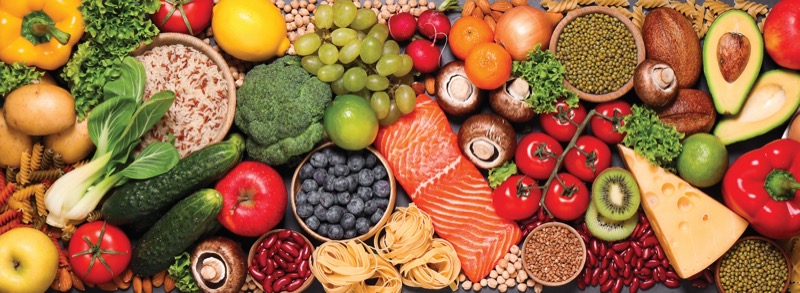
Historically, low-fiber diets were recommended for patients with IBD. However, evidence is lacking for this approach, she noted. “We generally don’t recommend low-fiber diets in IBD anymore. Fiber is important for the microbiome and helps people to actually feel better,” she added. Patients with IBD are now advised to follow a Mediterranean diet of fresh fruits and vegetables, monounsaturated fats, complex carbohydrates and lean proteins, said Ms. Issokson, adding that they should limit red meat, ultra-processed foods and saturated fats.
Understanding the different types of fiber can be helpful for managing gastrointestinal symptoms. Fiber can be classified according to solubility, viscosity and fermentability, Ms. Issokson explained. Soluble and viscous fiber (beans, oats, peas, avocado, sweet potato) can ease diarrhea by slowing GI motility and thickening the stool or ostomy output, whereas insoluble fiber (peels of fruits and vegetables, whole nuts and seeds, whole wheat flour, wheat bran, cauliflower, green beans) can reduce constipation by adding bulk to the stool and promoting peristalsis. Fermentable fibers (beans, inulin) may worsen symptoms of gas and bloating. Soluble, non-fermentable, viscous fibers (psyllium) may reduce diarrhea, constipation and fecal incontinence.
A patient might not tolerate beans during a flare, but Ms. Issokson said patients should reintroduce fiber when the disease quiets. “The ultimate goal is lots of diet variety and lots of fiber in the diet,” she added.
Related Content

The texture of fiber also matters in managing diet during states of IBD. During a flare-up or when stricturing disease and obstructive symptoms are present, pureed foods, such as creamy nut/seed butters, fruit/vegetable purees, refried beans and hummus, and nutritious liquids may be tolerated better. When transitioning out of a flare-up, Ms. Issokson said, patients can increase types and textures of fiber gradually by adding fork-tender and soft foods, such as jarred or canned fruits and vegetables, canned tuna, frozen or steamed fruits and vegetables, and soups with cooked vegetables. When remission has been achieved, she said, patients may resume a diet of whole and minimally processed foods, including whole-grain breads and pastas, fresh fruits and vegetables with peels, whole nuts and seeds, and legumes/beans.
Diet therapy may decrease inflammation in IBD. Ms. Issokson said that in her clinical practice, she sees “a lot of patients who want to utilize diet to control disease activity.” Some evidence suggests that exclusive enteral nutrition for six to 12 weeks reduces disease activity and improves outcomes in IBD, but adherence to this type of therapy is challenging. In addition to the Mediterranean diet, other diet therapies are being studied that may be easier to tolerate.
Certain micronutrient deficiencies are common in IBD, Ms. Issokson said, and all patients with IBD should be screened for iron deficiency anemia and 25-hydroxy vitamin D level. She said that vitamin B12 level also should be checked in patients with ileal disease, ileal resection or a pouch. Patients with severe disease may require a more comprehensive screening, she said, adding that nutrition support also plays an important role in preoperative and postoperative care for patients with IBD who are undergoing colorectal surgery.
—M.E. Ford, MD, MPH
Dr. Chiplunker reported financial relationships with Ironwood and Janssen Biotech. Ms. Issokson reported financial relationships with Ajinomoto Bio-Pharma and Takeda.
This article is from the March 2025 print issue.