





Wellstar MCG Health Medical Center
Augusta University
Augusta, Georgia
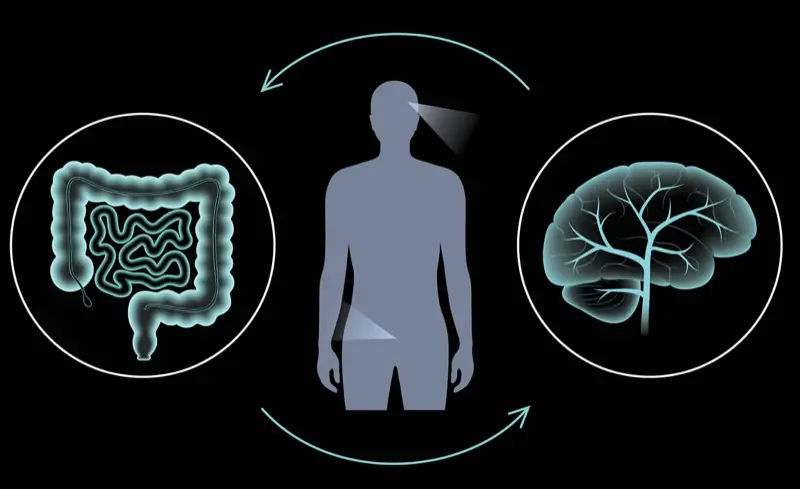
Irritable bowel syndrome is a common disorder of gut–brain interaction characterized by recurrent abdominal pain and altered bowel habits. These symptoms substantially impair quality of life and increase healthcare utilization. Recent practice guidelines recommend a positive diagnostic approach, individualized therapy based on the predominant bowel habit, and a multimodal treatment strategy that includes dietary modification, pharmacologic interventions, and gut-directed psychotherapies.
Several guidelines have been issued over the past several years covering the management of IBS with constipation (IBS-C), IBS with diarrhea (IBS-D), and IBS with alternating bowel habits (IBS-M), including the 2021 American College of Gastroenterology (ACG) clinical guideline,1 the 2022 American Gastroenterological Association (AGA) clinical practice guideline,2,3 and the British Society of Gastroenterology (BSG) guideline.4 This review synthesizes these guidelines to present an evidence-based, patient-centered framework for the management of adults with IBS.
Diagnosis and Evaluation
A positive diagnostic strategy that relies on typical symptoms and limited, targeted tests is preferred to a diagnosis of exclusion.1 The Rome IV criteria define IBS as recurrent abdominal pain (on average, at least one day per week in the last 3 months, with symptom onset at least 6 months before diagnosis), associated with 2 or more of the following: defecation, a change in stool frequency, or a change in stool form (Table 1).5
| Table 1. Rome IV Criteria for Irritable Bowel Syndrome |
| Recurrent abdominal pain on average at least 1 day per week in the last 3 months, associated with 2 or more of the following criteria (with criteria fulfilled for the last 3 months and symptom onset at least 6 months before diagnosis): |
|---|
| 1. Related to defecation |
| 2. Associated with a change in frequency of stool |
| 3. Associated with a change in form (appearance) of stool |
| Based on reference 5. |
Accurate subtyping based on stool form predominance, including IBS-C, IBS-D, and IBS-M, is recommended to guide therapy.1 Based on the Rome IV criteria, IBS-C is characterized by more than 25% of bowel movements with Bristol stool types 1 or 2 and less than 25% with types 6 or 7; IBS-D is defined by the reverse pattern; and if both criteria exceed 25%, the diagnosis is IBS-M.5 Cases not meeting these criteria are classified as IBS unsubtyped (IBS-U).5
For patients with suspected IBS who present with diarrhea, the ACG recommends serologic testing to exclude celiac disease and supports the measurement of fecal calprotectin and C-reactive protein (CRP) in patients without alarm features to rule out inflammatory bowel disease (IBD) (Table 2).1-4 Similarly, the BSG recommends a full blood count, CRP or erythrocyte sedimentation rate, and celiac serology for all patients with IBS symptoms.4 Fecal calprotectin testing is advised for patients younger than 45 years with diarrhea.4 Routine stool pathogen testing is not recommended and colonoscopy is not routinely indicated in patients under 45 years without alarm features.1 The BSG guideline also supports a focused diagnostic approach and discourages extensive testing unless clinical history or examination suggests an alternative diagnosis.4
| Table 2. Comparison of Society Guidelines and Recommendations For Diagnosis of Irritable Bowel Syndrome | ||||
| Test | Rationale | AGA | BSG | ACG |
|---|---|---|---|---|
| Primary approach | Positive diagnosis without extensive testing | Endorses | Strong recommendation | Consensus recommendation |
| Fecal calprotectin | Rule out IBD | No specific recommendation | Strong recommendation | Strong recommendation |
| Celiac serology (tTG antibody) | Rule out celiac disease | Investigate further if family history of celiac disease | Strong recommendation | Strong recommendation |
| Stool tests for enteric pathogens | Rule out enteric infection | No specific recommendation | No specific recommendation | Conditional recommendation |
| Food allergy | Rule out food allergy | No specific recommendation | Does not recommend food elimination diets | Does not recommend unless there are reproducible symptoms of food allergy |
| Colonoscopy | Rule out other pathologies such as neoplasm, microscopic colitis, or IBD | No specific recommendation | No role in IBS unless there are alarm symptoms or risks for microscopic colitis | Does not recommend in patients younger than 45 years without warning signs |
| Anorectal function tests | Rule out pelvic floor disorder/defecatory disorder | No specific recommendation | Weak recommendation | Consensus recommendation |
| ACG, American College of Gastroenterology; AGA, American Gastroenterological Association; BSG, British Society of Gastroenterology; IBD, inflammatory bowel disease; IBS, irritable bowel syndrome; tTG, tissue transglutaminase. Based on references 1-4. | ||||
The ACG and BSG recommend anorectal physiology testing for patients with symptoms indicative of a pelvic floor disorder or constipation that does not respond to standard medical therapy.1,4 The BSG further advises excluding bile acid diarrhea in individuals who experience nocturnal diarrhea or have a history of cholecystectomy.4
The presence of alarm features—such as rectal bleeding not explained by hemorrhoids, nocturnal symptoms, unintentional weight loss, iron-deficiency anemia, a family history of colorectal cancer or IBD, or abnormal physical examination findings—should prompt further evaluation, often including colonoscopy, in accordance with general gastroenterology practice. In typical cases, these features are absent, and establishing a confident, positive diagnosis facilitates timely care and reduces healthcare costs.1,4 When diagnostic uncertainty persists, the BSG recommends referral to a gastroenterologist.4
Nonpharmacologic Management
Diet
Dietary therapy is a central component of IBS management. The AGA Clinical Practice Update on the Role of Diet in Irritable Bowel Syndrome advises clinicians to provide structured dietary interventions for a predetermined length of time to motivated patients, preferably under the guidance of a trained dietitian, and to assess for disordered eating prior to initiating restrictive diets.6 The low fermentable oligo-, di-, and monosaccharides, and polyols (FODMAP) diet, the most extensively studied dietary intervention, consists of restriction, reintroduction of FODMAP foods, and personalization.6,7 Several randomized controlled trials (RCTs) showed an association between a low-FODMAP diet and reduction in the risk for IBS symptoms.4 Soluble fiber, such as psyllium, is recommended for improving global IBS symptoms, whereas insoluble fiber is not advised.1,6 A gluten-free diet is not supported by current guidelines.6,7 The British Dietetic Association recommends healthy eating and lifestyle as well as restriction of milk and dairy products if sensitivity to milk is suspected.7
Over-the-Counter Supplements
Peppermint oil is recommended for relief of global IBS symptoms, with its mechanism attributed to a smooth-muscle calcium channel blockade and visceral analgesic effects.1 The ACG supports its use in selected patients. A meta-analysis of 12 RCTs including 835 patients found that peppermint oil was superior to placebo for overall IBS symptom improvement, with a risk ratio (RR) of 2.39.8 In contrast, the ACG does not recommend routine use of probiotics for global IBS symptoms due to a lack of high-quality evidence, and variability among probiotic products complicates specific recommendations.1 The BSG also recognizes interest in microbiota-directed therapies but emphasizes the uncertain efficacy of these products, instead prioritizing dietary and standard pharmacologic interventions.4
Psychological Therapies
Psychological and behavioral therapies are indicated for patients with persistent IBS symptoms, particularly when pain, anxiety, hypervigilance, or catastrophizing are significant. The ACG recommends gut-directed psychotherapies, including cognitive behavioral therapy, hypnotherapy, and mindfulness-based approaches, for improvement of global symptoms.1 These interventions target central amplification and dysregulated gut–brain signaling and are accessible through in-person and digital delivery formats.
Lifestyle Modifications
Lifestyle modifications including regular physical activity, sleep optimization, and stress reduction are endorsed by multiple guidelines as supportive interventions with minimal risk and potential benefit, although the strength of these recommendations varies. The BSG emphasizes the importance of the doctor–patient relationship and the need to explain to patients the underlying pathophysiology and natural history of the condition.4
Pharmacologic Management
Pharmacologic treatment is individualized according to the predominant bowel habit and primary symptoms, particularly for IBS-D or IBS-C, and should be implemented in addition to dietary and behavioral interventions (Table 3).2,3
| Table 3. Pharmacologic Treatment of IBS Based on AGA Guidelines | ||||
| Medication | IBS type | Class | Typical doses | Key side effects/risks |
|---|---|---|---|---|
| TCAs | IBS (all) | Neuromodulators | Variable | Dry mouth, sedation, constipation, dizziness; higher withdrawal rates due to adverse effects |
| SSRIs | IBS (all) | SSRI | Variable | No long-term safety data in IBS- specific trials |
| Antispasmodics | IBS (all) | Smooth muscle relaxants | Variable | Dry mouth, dizziness, blurred vision |
| Tenapanor | IBS-C | Sodium/hydrogen exchanger isoform 3 (NHE3) inhibitor | 50 mg twice daily | Diarrhea |
| Plecanatide | IBS-C | Guanylate cyclase-C (GC-C) agonist | 3 mg once daily | Diarrhea |
| Linaclotide | IBS-C | Guanylate cyclase-C (GC-C) agonist | 290 mcg once daily | Diarrhea |
| Lubiprostone | IBS-C | Chloride channel type 2 activator | 8 mcg twice daily | Nausea, diarrhea |
| PEG | IBS-C | Osmotic laxative | Variable | Bloating, loose stool |
| Eluxadoline | IBS-D | Mixed mu- and kappa-opioid receptor agonist/delta-opioid receptor antagonist | 75 mg or 100 mg twice daily | Constipation, nausea, abdomnal pain; pancreatitis and Sphincter of Oddi spasm (contraindicated in patients without a gallbladder or alcohol abuse) |
| Rifaximin | IBS-D | Nonabsorbable antibiotic | 550 mg 3 times daily for 14 days | Nausea, URI, UTI |
| Alosetron | IBS-D | Selective 5-HT3 antagonist | 0.5-1 mg twice daily | Ischemic colitis and serious complications of constipation; restricted to severe cases in women |
| Loperamide | IBS-D | Synthetic peripheral opioid receptor agonist | Variable/as needed | Constipation, nausea |
| GC-C, guanylate cyclase-C; IBS, irritable bowel syndrome; IBS-C, constipation-predominant IBS; IBS-D, diarrhea-predominant IBS; PEG, polyethylene glycol; SSRIs, selective serotonin reuptake inhibitor; TCAs, tricyclic antidepressants; URI, upper respiratory infection; UTI, urinary tract infection. Based on references 2 and 3. | ||||
All Patients With IBS
Antispasmodics
The AGA and BSG guidelines suggest the use of antispasmodics for patients with IBS based on a Cochrane review that included 22 RCTs and a meta-analysis of 26 RCTs.2-4,9,10 In contrast, the ACG recommends against the use of antispasmodics available in the US for global symptoms due to limited data.1 Dry mouth, dizziness, and blurred vision are the commonly reported adverse events.9 The practical takeaway is that antispasmodics can be considered in selected patients with cramping-predominant pain.
Neuromodulators
For global IBS symptoms, the ACG recommends and the BSG and AGA suggest low-dose tricyclic antidepressants (TCAs) as neuromodulators that reduce visceral pain and normalize sensorimotor function.1-4 A meta-analysis of 12 RCTs involving 787 patients showed that TCAs were superior to placebo for global symptoms or abdominal pain.11 The BSG suggests selective serotonin reuptake inhibitors (SSRI) as a second-line option for global symptoms, while the AGA recommends against routine SSRI use for global IBS symptoms, reserving SSRIs for comorbid mood disorders when indicated.2-4 Anticholinergic effects should be monitored.
Patients With IBS-C
Linaclotide, plecanatide
Linaclotide and plecanatide are guanylate cyclase-C (GC-C) agonists. Activating GC-C increases cyclic guanosine monophosphate in the intracellular and extracellular compartments, which activates the cystic fibrosis transmembrane conductance regulator, increasing luminal fluid, speeding intestinal transit, and reducing visceral pain by modulating afferent sensory fibers.12 A phase 3 trial showed that 34% of patients receiving 290 mg of linaclotide in a 12-week period met the FDA end point for IBS-C treatment (improvement of =30% in average daily worst abdominal pain score and increase by =1 complete spontaneous bowel movement from baseline for at least 50% of weeks assessed).12 Two phase 3 trials involving plecanatide (3 or 6 mg) for 12 weeks showed similar results.13 The ACG strongly recommends GC-C agonists for global IBS-C symptoms due to high-quality evidence of improved abdominal pain, stool frequency, and overall response.1 The AGA recommends linaclotide and suggests plecanatide based on efficacy and safety data.2 The BSG suggests GC-C agonists as second-line drugs.4 Diarrhea is the most common adverse effect; it typically occurs early and is dose-related. Counseling on hydration and dose timing can be useful.2
Lubiprostone
The ACG strongly recommends lubiprostone, a chloride channel 2 activator, for IBS-C.1 Activation increases chloride secretion and water efflux, accelerating GI transit.10 The ACG Task Force on the Management of Irritable Bowel Disease investigators conducted a systematic review on the management of IBS.10 Their pooled analysis of available data found lubiprostone was more effective than placebo, with an RR of 0.91.10 The AGA and BSG suggest that lubiprostone is an effective option; nausea, the main tolerability concern, often improves when the drug is taken with food.2,4
Tenapanor
Tenapanor (Ibsrela, Ardelyx), a sodium/hydrogen exchanger 3 inhibitor, reduces intestinal sodium absorption and increases water secretion. The AGA recommends its use in IBS-C, based on large placebo-controlled randomized trials showing benefit in global symptoms, abdominal pain, and constipation.2,14-16 The BSG suggests it can be used as a second-line drug.4 Primary adverse effects include diarrhea and dehydration, and it is contraindicated in patients with known or suspected mechanical GI obstruction.2
Polyethylene glycol
Guidelines differ regarding the use of polyethylene glycol (PEG). The ACG advises against PEG for global IBS-C symptoms, citing its lack of efficacy in alleviating abdominal pain despite improvements in stool frequency and consistency.1 In contrast, the AGA and BSG suggest that PEG is an option, primarily for constipation relief, acknowledging its limited impact on pain.2,4 In clinical practice, PEG may be considered as adjunctive therapy to soften stools or while transitioning to a secretagogue.
Patients With IBS-D
Rifaximin
Rifaximin (Xifaxan, Salix), an oral, non-systemic antibiotic, is FDA approved for treatment of patients with IBS-D. In 2 phase 3 trials (TARGET 1 and TARGET 2), more patients who received rifaximin for 2 weeks had adequate relief of global IBS symptoms during the first 4 weeks after treatment than those who took placebo (40.8% vs 31.2%), with similar adverse events.17 A phase 3 study of rifaximin also demonstrated the efficacy of retreatment with rifaximin.18 The ACG strongly recommends rifaximin for global IBS-D symptoms based on multiple randomized trials.1 The AGA suggests rifaximin can be used and explicitly supports retreatment with rifaximin for recurrent symptoms in initial responders, reflecting FDA labeling.3 The BSG supports its use in patients with diarrhea and notes limited effects on abdominal pain.4
Eluxadoline
This mixed mu- and kappa-opioid receptor agonist/delta-opioid receptor antagonist is known to reduce visceral hypersensitivity without completely disrupting intestinal motility.19 The ACG Task Force’s pooled analysis showed that eluxadoline was superior to placebo, with an RR of 0.91.10 The AGA and BSG suggest its use, and the ACG supports the class for global symptoms.1,3,4 Eluxadoline is contraindicated in patients without a gallbladder and in those who drink more than 3 alcoholic beverages per day or have a history of pancreatitis or biliary obstruction, given risks for pancreatitis and sphincter of Oddi spasm, making shared decision-making and careful selection essential.3
Alosetron
Alosetron is a selective 5-hydroxytryptamine 3 receptor antagonist that delays colonic transit and increases the compliance of the colon.20,21 A meta-analysis of 18 RCTs on the efficacy of pharmacologic therapies for IBS-D or IBS-M ranked alosetron as first for achieving an FDA-recommended composite end point.22 The ACG recommends alosetron for women with severe, refractory IBS-D who have failed conventional therapy.1 The AGA and BSG suggest its use in IBS-D.3,4 Benefit must be balanced against rare but serious risks (eg, ischemic colitis, severe constipation).1,3
Loperamide
Guidelines differ in their recommendations regarding loperamide. The AGA and BSG suggest loperamide for IBS-D.3,4 The ACG indicates that loperamide may improve diarrhea but does not address global IBS symptoms and, therefore, advises against its use as a first-line agent for global outcomes.1 In practice, loperamide may be used as a symptomatic adjunct or as part of combination therapy.
Bile acid sequestrants
The ACG cautions against bile acid sequestrants for global IBS-D symptoms due to limited controlled data.1 However, in patients with clinical features suggestive of bile acid diarrhea, including post-cholecystectomy diarrhea and nocturnal watery stools, an empiric therapeutic trial may be reasonable.
Future Therapies
Several novel therapeutic agents are under investigation for their efficacy in treating IBS. For IBS-C, emerging options include minesapride (Sumitomo), a highly selective 5-HT4 agonist; elobixibat (Albireo/Mochida/Ferring), an ileal bile acid transporter inhibitor; and mizagliflozin (Advanz), a sodium-glucose cotransporter-1 inhibitor.4 Ebastine (Almirall), a histamine-1 receptor antagonist, is also being studied as a potential therapy targeting visceral hypersensitivity.4 Although current guidelines do not recommend fecal microbiota transplantation (FMT) for routine clinical use due to insufficient high-quality evidence,1,4 a novel oral FMT tablet has shown promise in recently presented phase 2a trial data, with reported reductions in abdominal pain and constipation.23
Special Situations and Safety
Medication safety considerations are central. Eluxadoline should not be used in patients without a gallbladder, those who consume more than 3 alcoholic beverages daily, or those with a history of pancreatitis or biliary obstruction. Clinicians should counsel patients on pancreatitis warning symptoms and criteria for discontinuation.3 For TCAs, initiation of therapy at a low dose, gradual titration, monitoring for anticholinergic side effects, and baseline electrocardiograms in patients with cardiac risk or when increasing the dose should be considered.1 Appropriate dose timing and patient education can reduce discontinuation rates associated with side effects of secretagogues, such as diarrhea.1,2
For patients with symptoms of pelvic floor dysfunction, refractory constipation, defecatory disorder, or fecal incontinence, the ACG and BSG suggest anorectal physiology testing.1,4 In individuals with suspected bile acid diarrhea phenotypes, clinicians should consider appropriate diagnostic testing when available and a possible therapeutic trial if clinical suspicion is high, acknowledging guideline caution regarding global end points.1,4
Abdominal bloating is a frequently reported symptom in IBS, present in up to 96% of patients.24 The ACG recommends a low-FODMAP diet, as most trials have demonstrated improvement in bloating.1 Pharmacologic options may depend on the subtype; for patients with IBS-C, several studies have shown superiority of linaclotide, lubiprostone, plecanatide, and tenapanor over placebo in improving bloating.1,2,4 For patients with IBS-D, initial treatment with rifaximin has shown improvement in bloating in phase 3 trials, although retreatment did not demonstrate a significant effect on bloating.3 In addition, the BSG recommends gut-directed hypnotherapy for IBS, which incorporates diaphragmatic breathing techniques targeting abdominal bloating.4
Where the Guidelines Differ
The primary differences in the guidelines arise from the definitions of clinical outcomes (Table 4).1-4 The ACG assesses interventions based on global IBS symptoms, whereas the BSG incorporates more situation-specific criteria. The AGA issues 2 pharmacologic guidelines according to IBS subtype, which permits broader use of symptomatic adjuncts. The ACG recommends against PEG, loperamide, antispasmodics, probiotics, and bile acid sequestrants for global outcomes.1 In contrast, the AGA and BSG recommend PEG for IBS-C, loperamide for IBS-D, and antispasmodics for IBS.2-4 The BSG suggests a trial of probiotics and if bile acid diarrhea is suspected, strongly recommends bile acid sequestrants.4 The AGA recommends against SSRIs, although the BSG supports their use as a second-line option for global symptoms.2-4 Clinicians may reconcile these recommendations by combining a global symptom agent with targeted adjuncts for specific symptoms and by establishing clear treatment goals at the initiation of therapy.
| Table 4. Comparison of Guideline Recommendations for IBS Management | |||
| Intervention | ACG | AGA | BSG |
|---|---|---|---|
| Antispasmodics | Recommends against use for global symptoms due to lack of high-quality evidence | Conditional recommendation | Weak recommendation; considered effective for global symptoms and abdominal pain |
| PEG | Suggests against use for global IBS symptoms in IBS-C | Conditional recommendation for use in IBS-C | Weak recommendation; effective for constipation but notes abdominal pain as a common side effect |
| Loperamide | Not recommended as first-line for global IBS-D symptoms; notes it improves diarrhea but not pain | Conditional recommendation for use in IBS-D | Strong recommendation; effective for diarrhea, though side effects (pain, bloating) may limit tolerability |
| SSRIs | Not addressed | Conditional recommendation against use for IBS | Weak recommendation; considered an effective second-line drug for global symptoms |
| Probiotics | Suggests against use for treatment of global IBS symptoms | Not addressed | Weak recommendation; suggests a trial for up to 12 weeks, though specific strains cannot be recommended |
| Bile acid sequestrants | Suggests against use for global IBS-D symptoms | Not addressed | Strong recommendation to consider if bile acid diarrhea is suspected (eg, nocturnal diarrhea, prior cholecystectomy) |
| ACG, American College of Gastroenterology; AGA, American Gastroenterological Association; BSG, British Society of Gastroenterology; IBS, irritable bowel syndrome; IBS-C, constipation-predominant IBS; IBS-D, diarrhea-predominant IBS; PEG, polyethylene glycol; SSRIs, selective serotonin reuptake inhibitors. Based on references 1-4. | |||
Conclusion
The contemporary management of IBS is complex and multimodal, and it should be tailored to individual patient needs. Establishing a positive diagnosis based on Rome IV criteria and limiting diagnostic testing facilitates prompt treatment and reduces unnecessary interventions. Patient education about the gut–brain axis and recommendations on foundational measures such as regular exercise, sleep hygiene, and stress management are essential. Nonpharmacologic strategies—such as dietary modifications with an emphasis on soluble fiber and a structured, time-limited low-FODMAP diet combined with gut-directed psychotherapies for persistent pain and central sensitization—are additional essential components of IBS management.
A range of pharmacologic therapies is available, each targeted to specific IBS subtypes and global symptoms. Effective management requires a thorough understanding of these options and their appropriate use, based on the patient’s symptom profile and safety considerations. When clinical guidelines differ, discrepancies can be addressed by clarifying indications, judiciously employing adjunctive therapies, and involving patients in shared decision- making with clear explanations of the underlying pathophysiology. For symptoms suggesting specific etiologies, such as pelvic floor disorder or bile acid diarrhea, targeted diagnostic testing is warranted. Adhering to these recent guidelines enables clinicians to provide consistent, evidence-based care that may enhance patients’ quality of life.



References
- Lacy BE, Pimentel M, Brenner DM, et al. ACG clinical guideline: management of irritable bowel syndrome. Am J Gastroenterol. 2021;116(1):17-44.
- Chang L, Sultan S, Lembo A, et al. AGA clinical practice guideline on the pharmacological management of irritable bowel syndrome with constipation. Gastroenterology. 2022;163(1):118-136.
- Lembo A, Sultan S, Chang L, et al. AGA clinical practice guideline on the pharmacological management of irritable bowel syndrome with diarrhea. Gastroenterology. 2022;163(1):137-151.
- Vasant DH, Paine PA, Black CJ, et al. British Society of Gastroenterology guidelines on the management of irritable bowel syndrome. Gut. 2021;70(7):1214-1240.
- Rome Foundation. Rome IV Criteria. Accessed January 5, 2026. https://theromefoundation.org/rome-iv/rome-iv-criteria/
- Chey WD, Hashash JG, Manning L, et al. AGA clinical practice update on the role of diet in irritable bowel syndrome: expert review. Gastroenterology. 2022;162(6):1737-1745.e5.
- McKenzie YA, Bowyer RK, Leach H, et al. British Dietetic Association systematic review and evidence-based practice guidelines for the dietary management of irritable bowel syndrome in adults (2016 update). J Hum Nutr Diet. 2016;29(5):549-575.
- Alammar N, Wang L, Saberi B, et al. The impact of peppermint oil on the irritable bowel syndrome: a meta-analysis of the pooled clinical data. BMC Complement Altern Med. 2019;19(1):21.
- Ruepert L, Quartero AO, de Wit NJ, et al. Bulking agents, antispasmodics and antidepressants for the treatment of irritable bowel syndrome. Cochrane Database Syst Rev. 2011;2011(8):CD003460.
- Ford AC, Moayyedi P, Chey WD, et al. American College of Gastroenterology monograph on management of irritable bowel syndrome. Am J Gastroenterol. 2018;113(Suppl 2):1-18.
- Ford AC, Lacy BE, Harris LA, et al. Effect of antidepressants and psychological therapies in irritable bowel syndrome: an updated systematic review and meta-analysis. Am J Gastroenterol. 2019;114(1):21-39.
- Rao S, Lembo AJ, Shiff SJ, et al. A 12-week, randomized, controlled trial with a 4-week randomized withdrawal period to evaluate the efficacy and safety of linaclotide in irritable bowel syndrome with constipation. Am J Gastroenterol. 2012;107(11):1714-1725.
- Brenner DM, Fogel R, Dorn SD, et al. Efficacy, safety, and tolerability of plecanatide in patients with irritable bowel syndrome with constipation: results of two phase 3 randomized clinical trials. Am J Gastroenterol. 2018;113(5):735-745.
- Chey WD, Lembo AJ, Rosenbaum DP. Tenapanor treatment of patients with constipation-predominant irritable bowel syndrome: a phase 2, randomized, placebo-controlled efficacy and safety trial. Am J Gastroenterol. 2017;112(5):763-774.
- Chey WD, Lembo AJ, Rosenbaum DP. Efficacy of tenapanor in treating patients with irritable bowel syndrome with constipation: a 12-week, placebo-controlled phase 3 trial (T3MPO-1). Am J Gastroenterol. 2020;115(2):281-293.
- Chey WD, Lembo AJ, Yang Y, et al. Efficacy of tenapanor in treating patients with irritable bowel syndrome with constipation: a 26-week, placebo-controlled phase 3 trial (T3MPO-2). Am J Gastroenterol. 2021;116(6):1294-1303.
- Pimentel M, Lembo A, Chey WD, et al. Rifaximin therapy for patients with irritable bowel syndrome without constipation. N Engl J Med. 2011;364(1):22-32.
- Lembo A, Pimentel M, Rao SS, et al. Repeat treatment with rifaximin is safe and effective in patients with diarrhea-predominant irritable bowel syndrome. Gastroenterology. 2016;151(6):1113-1121.
- Lembo AJ, Lacy BE, Zuckerman MJ, et al. Eluxadoline for irritable bowel syndrome with diarrhea. N Engl J Med. 2016;374(3):242-253.
- Delvaux M, Louvel D, Mamet JP, et al. Effect of alosetron on responses to colonic distension in patients with irritable bowel syndrome. Aliment Pharmacol Ther. 1998;12(9):849-855.
- Houghton LA, Foster JM, Whorwell PJ. Alosetron, a 5-HT3 receptor antagonist, delays colonic transit in patients with irritable bowel syndrome and healthy volunteers. Aliment Pharmacol Ther. 2000;14(6):775-782.
- Black CJ, Burr NE, Camilleri M, et al. Efficacy of pharmacological therapies in patients with IBS with diarrhoea or mixed stool pattern: systematic review and network meta-analysis. Gut. 2020;69(1):74-82.
- Fischer K. Novel FMT tablet lessens abdominal pain severity in IBS-C patients. Gastro & Endo News. 2025;72(9):22-23, 46.
- Longstreth GF, Thompson WG, Chey WD, et al. Functional bowel disorders. Gastroenterology. 2006;130(5):1480-1491.
Copyright © 2026 McMahon Publishing, 545 West 45th Street, New York, NY 10036. Printed in the USA. All rights reserved, including the right of reproduction, in whole or in part, in any form.
Download to read this article in PDF document: A Guideline-Based Review Of IBS Management

This article is from the February 2026 print issue.