





Managing Clostridioides difficile infection is a challenge that requires a multipronged approach involving recognition of the characteristics of the C. difficile bacteria, strategies aimed at prevention and optimal use of available treatments, according to experts speaking at a recent virtual town hall hosted by the Peggy Lillis Foundation.
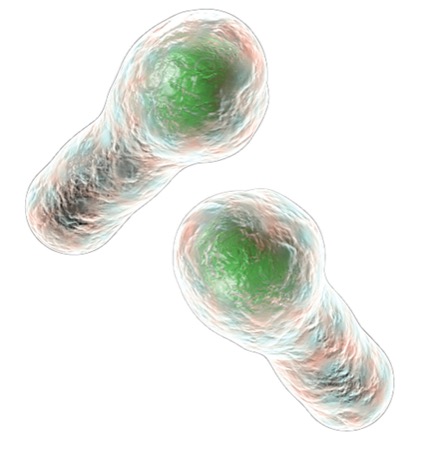
The key to understanding and effectively treating C. difficile infection (CDI) is noting its two phases, the vegetative state that releases toxins and causes symptoms controlled by antimicrobials, and the spore phase, which leads to recurrence, said Paul Feuerstadt, MD, an attending gastroenterologist at the PACT Gastroenterology Center, in Hamden, Conn. Cultivating a healthy diverse gut microbiome will keep CDI at bay, Dr. Feuerstadt added.
CDI is “a truly debilitating disease,” said Stacy A. Kahn, MD, the director of the Fecal Microbial Transplantation and Microbial Therapeutics Program at Boston Children’s Hospital. “We ingest the spores, [and then when we] get an infection or [take] antibiotics ... those spores open up and become live bacteria.” The bacteria produce toxins that cause symptoms such as abdominal pain, fever, dehydration, and in severe cases, CDI can cause severe colitis, toxic megacolon, sepsis or death, Dr. Kahn said. In children, CDI can cause growth and developmental delays, she added.
A Major Problem
CDI, “a major problem for us in the healthcare system and for our patients,” accounts for about 15.5% of all healthcare-associated infections, Dr. Feuerstadt said, calling it one of the most common healthcare-associated gastrointestinal infections—surpassing both methicillin-resistant Staphylococcus aureus and vancomycin-resistant Enterococcus.

Risk factors for adults include age 65 years or older; female sex; living with immunocompromising conditions such as chronic kidney disease, HIV, inflammatory bowel disease and diabetes; and use of proton pump inhibitors, which disrupt the gut’s healthy microbiome. Aerosolization and surface contamination also contribute to infection’s spread.
In children, unlike in adults, the cause is considered community-associated in 75% of cases. The remaining cases can be attributed to antibiotic use, acid blockers, use of a feeding tube, cancer or IBD.
Prevention Strategies
Prevention of CDI is important, particularly in the pediatric population, Dr. Kahn said. Washing hands with warm soapy water for 30 seconds, avoiding unnecessary antibiotic use, and staying home from school or day care until CDI symptoms are fully resolved remain the cornerstones of prevention. Eating a diet with fruits and vegetables, along with unprocessed foods, can help the microbiome restore itself.
Antibiotic Treatment Options
Once CDI is diagnosed, there are oral antibiotic treatment options. Citing the recommendations from the 2021 updated treatment guidelines from the Infectious Diseases Society of America and the Society for Healthcare Epidemiology of America, Dr. Feuerstadt said oral fidaxomicin (Deficid, Merck) is the preferred therapy for the first round of CDI, with oral vancomycin as an alternative. Fidaxomicin is associated with lower rates of recurrence, he noted.
Microbiome-Based Therapies for CDI
Sahil Khanna, MBBS, a professor of medicine at Mayo Clinic, in Rochester, Minn., discussed new microbiome-based and fecal microbiota transplantation (FMT) regimens for recurrent CDI at a virtual town hall hosted by the Peggy Lillis Foundation.
In FMT, which is now recommended by the American Gastroenterological Association for most adults with recurrent CDI (Gastroenterology 2024;166[3]:409-434), clinicians use fresh or frozen stool to restore the gut microbiota of patients with recurrent CDI to a healthy state. It is 80% to 90% effective in preventing recurrence, but it requires standardized donor screening/recruitment and manufacturing processes, Dr. Khanna said. Adverse effects including IBS and Escherichia coli transmission have been reported.
Although FMT is safe and effective, there are many challenges, Dr. Khanna noted (Infect Drug Resist 2023;16:3137-3143). “Having done FMT for the last decade or so, I can assure you this is a very tedious process for anybody to maintain on their own.”
The FDA recently approved two medications to prevent recurrent CDI episodes. The first, approved in 2022, is fecal microbiota, live-jslm (Rebyota, Ferring), which is derived from donor stool and rectally administrated as an enema in a healthcare setting. The second, fecal microbiota spores live-bprk (Vowst, Nestlé/Seres), is a three-day series of pills taken at home following a gentle bowel prep that was FDA-approved in April 2023.
Both of these products are used after a patient completes an antibiotic course for recurrent CDI. Both treatments are approved for people experiencing two or more episodes.
Another product, called VE303 (Vedanta Biosciences), is in clinical development, and the initial study included some patients treated after just one episode.
Underscoring the potential of these new therapies, Dr. Khanna said, “Microbiome alteration is the key to the pathogenesis of C. difficile, and restoring the microbiome is the key to manage C. difficile.”
—C.A.
If CDI recurs, oral fidaxomicin or vancomycin could be prescribed, possibly boosted by adjunctive IV bezlotoxumab (Zinplava, Merck) to help minimize gut inflammation, Dr. Feuerstadt said. Emerging treatments are important to help reduce CDI recurrence rates, he said.
In children, initial antibiotic treatment typically is vancomycin, Dr. Kahn said. Recurrences can be treated with pulsed tapers of vancomycin, fidaxomicin and fecal microbiota transplantation (FMT). Recent therapies such as the bezlotoxumab and newer microbiome-based therapies are only FDA-approved for adult use, she added, predicting that approved pediatric use is years away.
—Cheryl Alkon
Dr. Feuerstadt reported relationships with Ferring, Finch, Merck, Seres and Takeda. Dr. Kahn reported no relevant financial disclosures.
This article is from the April 2024 print issue.