





Related Content


Nonprofit stool bank OpenBiome has voluntarily suspended distribution of investigational fecal microbiota transplantation preparations for the treatment of recurrent Clostridioides difficile infections, which means practitioners are limited to the FDA-approved FMT products to treat these cases. The stool bank will be able to supply FMT preparations for severe fulminant CDIs only through the end of 2024, including for pediatric patients.
The decision, which went into effect Sept. 29, was prompted by guidance issued by the FDA in 2022 and finalized in November, which advised that its discretionary enforcement policy related to investigational FMT would not include stool banks.
“OpenBiome was the main supplier for FMT material, so it is a loss that they were no longer allowed to distribute,” said Jessica Allegretti, MD, MPH, the medical director of the Crohn’s and Colitis Center at Brigham and Women’s Hospital, in Boston.
‘Immediate, Devastating Impact’
“The end of enforcement discretion will bring care gaps,” said Byron Vaughn, MD, MS, a gastroenterologist at the University of Minnesota Medical School, in Minneapolis. “Although there are some FDA-approved microbiota products, there is no product with pediatric approval for any type of CDI, and there is no product for the treatment of severe/fulminant CDI.
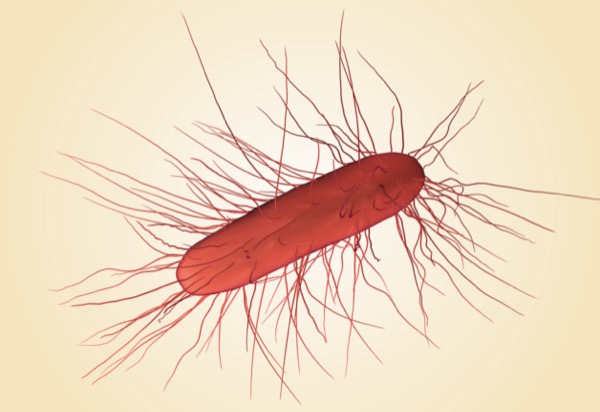
“National guidelines recommend the use of FMT in cases of severe or fulminant CDI not responding to antibiotic therapy, but there will be no practical way to access FMT material,” Dr. Vaughn added. “This will have an immediate, devastating impact on people who develop severe or fulminant CDI after enforcement discretion ends.” (The two FDA-approved treatments for C. difficile—Vowst [fecal microbiota spores, live-brpk, NestlÉ/Seres] and Rebyota [fecal microbiota, live-jslm, Ferring]—are indicated only for recurrent C. difficile.)
OpenBiome supplied processed stool samples to more than 1,300 healthcare facilities across the country, offering patients access to a treatment option that was previously difficult to obtain. But when the FDA approved Rebyota in 2022, Dr. Vaughn said he “knew what that meant for OpenBiome. Their license to distribute investigational FMT would be rescinded, but we didn’t know exactly when it would be. Now we do.”
In March 2024, the American Gastroenterological Association recognized the safety and efficacy of FMT and released new guidelines recommending its use in most patients with recurrent CDIs (Gastroenterology 2024;166[3]:409-434).
The AGA guidelines provide an arrow in the quiver of advocates for FMT and microbiota-based therapies, who are urging policymakers to create a more supportive regulatory framework that acknowledges the importance of these treatments and encourages innovation in microbiome science.
Given that OpenBiome was the largest stool bank in the United States, its absence may lead to a scarcity of FMT resources. However, the larger issue for clinicians may be the hoops they have to jump through to get their patients on an FMT treatment.
“With Vowst and Rebyota, there can be issues around patient access and affordability, which is my main concern,” Dr. Allegretti said. “That’s not an issue we saw with OpenBiome since insurance was not involved in the FMT material.”
The fecal material supplied by OpenBiome is infused directly via either the duodenum or colon after thawing. In one study, this method showed a 95% success rate in prevention of recurrent CDIs (JAMA 2017;318[20]:1985-1993). Of the two approved products, only Reybota can be infused via colonoscopy; a phase 3 study found a success rate of 70.6% over placebo (57.5%). It also can be administered at home with an enema. Vowst, on the other hand, is an oral medicine that fecal microbial spores. It’s taken on an empty stomach for three consecutive days. The ECOSPOR IV trial found 91% of patients taking Vowst were recurrence-free at eight weeks.
Dr. Allegretti said she has volunteered to help OpenBiome with a phase 1 to 3 trial that the organization hopes to launch. She also pointed to Vedanta Biosciences, which has an oral treatment that was effective against recurrent C. difficile in its phase 2 trial (JAMA 2023;329[16]:1356-1366) and is enrolling patients in its phase 3 trial.
“It’s a benefit to patients to have multiple options. More options are always better, so it’s exciting that there are two approved treatments and more on the way,” Dr. Allegretti said.
As the healthcare community adapts and OpenBiome works to launch its own trials, the hope is that new solutions—whether through policy changes, new microbiome therapies or institutional programs—will emerge to fill the gap left by OpenBiome, ensuring that patients continue to have access to lifesaving care, Dr. Allegretti said.
“FMT is a remarkably effective treatment for patients suffering from a debilitating and life-threatening disease,” she added. “Whatever we can do to improve access to this therapy, I will work to support.”
Dr. Allegretti reported financial relationships with Ferring, Seres and Vedanta. Dr. Vaughn reported financial relationships with Diasorin, Health Delegates, Kate Farms, NestlÉ, OpenBiome, Prometheus, Roche and Takeda.
This article is from the December 2024 print issue.