





The glucose–fructose mix found in most sodas and fruit juices directly fuels metastasis in preclinical models of advanced colorectal cancer, according to a new study.
The study provides the first direct evidence linking CRC metastasis to the glucose–fructose blend found in sugar-sweetened beverages (Nat Metab 2025 Sep 19. doi:10.1038/s42255-025-01368-w). The researchers found that the combination of glucose and fructose activates the sorbitol dehydrogenase (SORD) enzyme, fueling cancer cell migration and metastasis.
The researchers suggest that cutting back on sugary drinks could help slow cancer progression in patients with colorectal cancer. It also points to possible new treatment targets.
“Our findings highlight that daily diet matters, not only for cancer risk but also for how the disease progresses once it has developed,” said senior investigator Jihye Yun, PhD, an assistant professor of genetics at The University of Texas MD Anderson Cancer Center, in Houston.
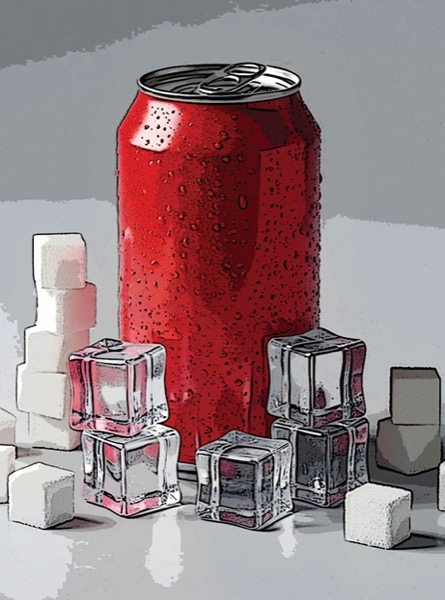
In the new study, Dr. Yun and her co-investigators assessed how sugary drinks may affect late-stage CRC. Using laboratory cancer models, they compared the effects of the glucose–fructose mix found in most sugar-sweetened drinks with those of glucose or fructose alone. Only the sugar mix made cancer cells more mobile, leading to faster spread to the liver, the most common site of CRC metastasis.
The sugar mix activated the SORD enzyme, which boosts glucose metabolism and triggers the cholesterol pathway, ultimately driving metastasis. This is the same pathway targeted by statins. Blocking SORD slowed metastasis, even with the sugar mix present. These findings suggest that targeting SORD also could offer an opportunity to block metastasis.
“While these findings need further investigation, they suggest that reducing sugary drinks, targeting SORD, or repurposing statins may benefit patients with colorectal cancer,” Dr. Yun said.
To meet nutritional needs, many patients with cancer are currently encouraged to have nutritional supplement drinks and concentrated juices that contain high glucose and fructose content. Dr. Yun advised that it may be worthwhile to consider revisions to such dietary recommendations to reduce sugary drink consumption in this population.
—Kate O’Rourke
Dr. Yun reported no relevant financial disclosures.


This article is from the November 2025 print issue.