






University of Rochester Medical Center
Rochester, New York
University of Rochester Medical Center
Rochester, New York
The landscape of gastroenterology is continually evolving, with advancements in understanding and treating various digestive disorders. Among these, motility disorders present unique challenges requiring specialized care and expertise. In recent years, the establishment of specialty motility clinics in GI practices has become increasingly prevalent, offering comprehensive evaluation and management of GI motility disorders tailored to patients’ needs.
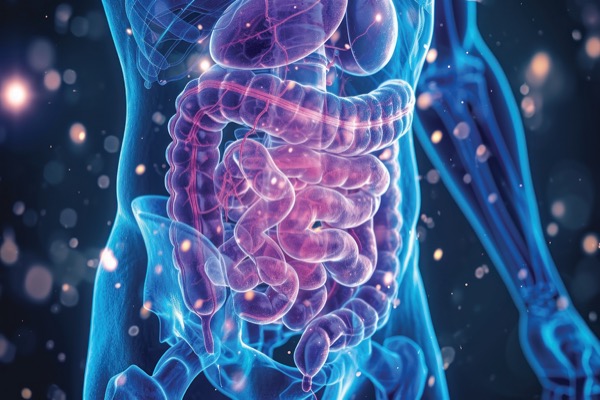
To gain a better understanding of how these clinics are set up and the various aspects of their clinical and operational performance, we conducted a Q&A discussion featuring insights from 3 accomplished advanced practice providers (APPs) in the field. Through their expertise and firsthand experiences, we explore various aspects of GI motility clinics from their initial establishment through operational challenges, patient care approaches, and the evolving role of APPs in optimizing patient outcomes and advancing the care of patients with motility disorders. We hope that you will find this information useful in your practice.
Panelists
Division of Gastroenterology & Hepatology
University of Rochester Medical Center
Rochester, New York
Mayo Clinic
Rochester, Minnesota
Johns Hopkins Medicine
Baltimore, Maryland
Ms. Enslin: How did you get involved with this specialty clinic?
Ms. Howard: Motility was new to me when I came to GI, after spending years in other areas of medicine, so it was intriguing. I also noticed that most of these patients had been suffering for years without answers and felt very frustrated. Learning how to evaluate and diagnose some of these issues and then treat these patients and improve their quality of life was something that intrigued me.
Mr. Myburgh: I started my role as a registered nurse in thoracic surgery. I took care of patients after thoracic and abdominal surgeries, which included esophagectomies. After graduating with an advanced practice degree, I became a nurse practitioner with the esophageal practice at Mayo Clinic, in Rochester, Minnesota. Because I was already familiar with the surgical aspects of care, I was interested in medical management of esophageal motility disorders and following patients after their surgical interventions and procedures.
Ms. Owen: Upon becoming an APP, I had the opportunity to do a one-year GI fellowship, which really solidified my desire to specialize in motility disorders. The coordinated passage of food through our GI tracts from entrance to exit is so important to our quality of life. Oftentimes it’s not until that motility is altered or delayed that we truly appreciate what’s running inside of us. As motility disorders are often not easily seen—no ulcer on an esophagogastroduodenoscopy, no inflammation on a colonoscopy, no acute finding on a CT scan—seeing patients’ relief in finally understanding there’s a real reason for their debilitating symptoms is so rewarding. We aim to help patients return to the dinner table with their families and no longer need to memorize bathroom maps along their travel routes.
Ms. Enslin: What procedures does your clinic offer for diagnosing and treating motility disorders?
Ms. Howard: For esophageal dysmotility, we perform high-resolution esophageal manometry. Depending on the results of manometry testing, treatment can range from pharmacologic therapy to endoscopic therapy, including botulinum toxin injections, pneumatic dilation, and peroral endoscopic myotomy. For reflux testing, we perform the wireless esophageal pH Bravo test (Medtronic) and 24-hour pH impedance testing. For dyssynergic defecation, we perform high-resolution anorectal manometry with balloon expulsion testing. For treatment of dyssynergia, we use anorectal biofeedback therapy. We also offer hydrogen breath testing for small intestinal bacterial overgrowth and some food intolerances, such as fructose/fructan and lactose.
Mr. Myburgh: We provide high-resolution esophageal manometry, timed barium esophagogram, and the endoluminal functional lumen imaging probe EndoFLIP (Medtronic) to help diagnose esophageal motility disorders. We also offer a radionuclide esophageal emptying test using a solid meal to aid in diagnosing motility disorders.
Ms. Owen: At the Johns Hopkins Motility Clinic and Neurogastroenterology Center, we have a variety of resources to aid in the diagnosis of motility disorders. For dysphagia and reflux evaluation, we use high-resolution esophageal manometry, 24-hour pH impedance, 96-hour Bravo pH testing, and EndoFLIP. Breath testing is available for diagnosing lactose, fructose, and sucrose intolerance as well as for evaluation of small intestinal bacterial overgrowth and intestinal methanogen overgrowth. We use anorectal manometry for evaluation of fecal incontinence, constipation and anorectal pain. With our radiology colleagues, if appropriate, we also can perform gastric emptying studies, whole-gut transit testing and dynamic pelvic imaging.
Ms. Enslin: Who are the key team members in your motility clinic?
Ms. Howard: Our team includes several GI procedure nurses who are responsible for conducting esophageal manometry and pH tests. We have 3 APPs who perform anorectal manometry and oversee anorectal biofeedback therapy sessions. The APP colleagues also interpret esophageal manometry, anorectal manometry, Bravo, and 24-hour pH studies. Assisting them are 3 clinical technicians who provide support during the motility procedure. An administrator and a nurse manager each play pivotal roles in coordinating scheduling, ordering supplies, and managing various logistical aspects of our clinic. We collaborate closely with a physician director, too.
Mr. Myburgh: Our clinic consists of 6 physicians, 2 APPs, 4 nurses, and 2 desk operation specialists.
Ms. Owen: Within our motility clinic, we have a team of physicians, fellows, APPs, and nurses to collaborate and provide direct patient care.
Ms. Enslin: How do you ensure collaboration and communication among different healthcare professionals within your clinic to provide comprehensive care?
Ms. Howard: We hold weekly team meetings to discuss workflow, operational challenges, and clinic performance. Additionally, we use the electronic medical record to streamline communication and ensure that all team members have access to pertinent patient information, including treatment plans, test results, and progress notes. Moreover, there is an open line of communication between the motility providers and other clinicians, allowing team members to consult with one another in real time to ensure that the patient receives the best treatment for his or her disease process.
Mr. Myburgh: Shared office space allows us to directly communicate and collaborate with each other. Support of four registered nurses also plays an integral part in communication with the patients. Virtual pre-visits offered by nurses also help ensure appropriate scheduling and streamline these workflows.
Ms. Owen: As a tight-knit group, we have daily communication among team members. We also host a multidisciplinary motility conference to discuss complex cases and review motility studies. It’s a great educational and collaborative time with not only our motility team but also providers from multiple specialties such as surgery, rheumatology and pulmonology.
Ms. Enslin: Do you participate in any research or clinical trials in motility disorders? Any advice for APPs who may want to get involved in research studies?
Ms. Howard: We don’t have any active research trials in this realm, but moving forward as our team grows, I would love that to become a part of our motility program. For people interested in becoming involved in specific GI motility research, I would suggest starting with a great motility resource, the American Neurogastroenterology and Motility Society (ANMS) website.
Mr. Myburgh: I currently do not have active research studies, but I would like to be involved in research on EndoFLIP and its role in post-achalasia treatment. The advice I would give to APPs is to start with writing and publishing case reports. This is one potential way to get involved and elevate the role of APPs in terms of scholarly activity. I would also recommend working closely and collaborating with your physician partners, which may open opportunities to be involved in research.
Ms. Enslin: In what ways do you prioritize patient education and support within your clinic? Any tips to support patients and make them feel more at ease for unsedated procedures?
Ms. Howard: We recently expanded our patient motility procedure materials to be more informative on the actual procedure itself and its purpose, rather than just instructions for preparation. In motility testing, it’s vital that patients know what exactly the test entails before they come in so they can be prepared, especially since these are unsedated procedures. It not only makes them more comfortable, but they are also more likely to be able to complete the test and get the information that is needed to help them move on to the next steps of care.
Mr. Myburgh: We rely heavily on our nursing staff to provide patient education. We prioritize education for all new consults. We provide printed as well as online education options. Regarding unsedated procedures, the most important aspect is to provide anticipatory guidance. Our nurses are also excellent in teaching diaphragmatic breathing and guided imagery techniques to decrease patients’ anxiety.
Ms. Owen: When it comes to unsedated motility testing with probes being inserted through a nare and down to the stomach, or, alternatively into the anus and rectum, being prepared is essential for patient comfort. Patient education is a cornerstone of effective patient care, and regardless of the situation, knowing what to expect is powerful knowledge. Receiving education in the clinic, having the information in writing for their review later at home, and knowing we’re available for questions that may arise prior to the procedure are helpful in ensuring patients feel prepared. Our nurses performing the motility tests provide great care in ensuring patient comfort during motility testing, whether it’s some time to rest and adjust to the sensation of the catheter or taking a few deep breaths together.
Ms. Enslin: How do you stay updated with the latest developments and best practices in motility disorder management?
Ms. Howard: I am a member of ANMS and use their resources consistently. There are also good resources on the American College of Gastroenterology website. Both entities typically send updates via email that I can then go find and read to stay up to date.
Mr. Myburgh: I attend a yearly conference on esophageal motility disorders. I also frequently present these topics at local and regional conferences. Although presenting as a speaker can be daunting at first, this is a terrific way to learn and elevate the role of APPs and stay up to date on current best practices.
Ms. Owen: The various GI societies all have great information, including on motility disorders, for providers to stay up to date. There are also more specific groups specializing in neurogastroenterology, GI motility, and functional GI disorders that provide not only written updates, but also recorded and live lectures to provide up-to-date information to providers.
Ms. Enslin: What is the credentialing process for performing motility procedures at your center?
Ms. Howard: When I started, I had informal training from the APP who was doing the testing at the time. Since then, we have formalized our training process. We now train our motility providers in the lab with the aim of completing a specific number of sessions/procedures under supervision. The procedure is added to their delineation of privileges log once they have demonstrated proficiency/competency. We also have maintenance requirements each year.
Ms. Owen: At our facility, registered nurses perform esophageal manometry, anorectal manometry and breath testing in our motility labs, while physicians perform any endoscopically placed motility testing. Our APPs can be credentialed to interpret motility test results after spending time practicing with a credentialed provider and then demonstrating accurate independent interpretations.
Ms. Enslin: How do you envision your clinic evolving to meet the changing needs of patients with motility disorders?
Ms. Howard: Like many things in medicine, motility will likely get even more subspecialized as we move into the future. In our lab, I would love to expand our nursing staff to be able to provide more education to our patients after testing regarding the specifics of the test results and treatment options, including strategies such as diaphragmatic breathing exercises. Improving access is also a goal that would entail expanding our team and training more nurses, technicians and APPs. Incorporation of new technology as time goes on would be another objective.
Mr. Myburgh: My vision is to expand on the psychological care for patients with motility disorders, as it can be a significant burden for patients. We have one GI psychologist and are planning to expand the practice. Also, there is a need to streamline scheduling. I hope to see that patients with achalasia can complete their initial consultation, diagnostic procedures, and treatment in one week.
Ms. Owen: As motility disorders and disorders of gut–brain interaction are becoming increasingly recognized, the need for motility clinics and providers will increase. The past decade has seen an incredible advancement in the tools and technologies for diagnosing motility disorders, and we hope to continue expanding access of these resources to patients.
Ms. Enslin: What advice can you give APPs looking to start or join a motility clinic?
Ms. Howard: It can be difficult, as motility is very specialized and not available everywhere since it requires quite a lot in terms of resources. Finding a mentor with experience in motility and working in a motility lab would be my first step. Joining a motility society like ANMS, where you can find contacts as well as resources for training is important as well. There are also programs at some of the larger motility centers where providers can be trained more formally, and those are very helpful for someone just starting out. I think a combination of hands-on training and didactic learning is very important in motility.
Mr. Myburgh: Specializing in esophageal motility disorders is rewarding, and there is a great need in this area of practice. I would suggest researching one motility disorder at a time and creating an easily accessible reference guide. APPs should give themselves grace and time to master this complex set of motility disorders.
Ms. Owen: The motility community is an incredibly supportive group of gastroenterologists and APPs. Reaching out to a local motility provider is a great place to start. Joining an in-person conference or a virtual meeting is great for networking, learning, and finding new opportunities.
Ms. Enslin and Dr. Kaul are members of the Gastroenterology & Endoscopy News editorial board.



This article is from the May 2024 print issue.