





New York, New York

WASHINGTON—The 2025 Gut Microbiota for Health World Summit featured cutting-edge research on microbiome science and medicine, underscoring the importance of the microbiome in gastrointestinal health and beyond. Conference speakers from prestigious research centers all over the world came to share their advances in microbiome science, addressing topics such as food, neurodegenerative disease and cancer.
Food and the Microbiome
The conference began with lectures by nutritionists focusing on food and the microbiome. Janelle Smith, MS, RDN, CEDS, the senior dietitian with the UCLA Health Digestive Diseases Nutrition Program, in Los Angeles, discussed the role of the microbiome in eating disorders. Specifically, she explained the role polyunsaturated fatty acids may play in anorexia nervosa, as well as microbiome manipulation in the treatment of eating disorders. Other topics addressed included research tools to assess diet and its effects on the microbiome, how to improve communication with patients during dietary counseling, such as being careful when labeling diets for “weight loss,” and microbiome-directed food for children with malnutrition.
Benoit Chassaing, PhD, a microbiologist at Institut Pasteur, in Paris, discussed the topic of dietary emulsifiers and inflammatory bowel disease, highlighting that although most emulsifiers have deleterious effects, not all are created equally. For example, carboxymethyl cellulose (CMC) and carrageenan are potentially harmful for health, but soy lecithin is less worrisome. He described the host–microbiome interactions at the mucosal surface, explaining that under normal circumstances, the inner mucous layer is sterile. However, in the presence of dietary emulsifiers, microbial encroachment can lead to intestinal inflammation.
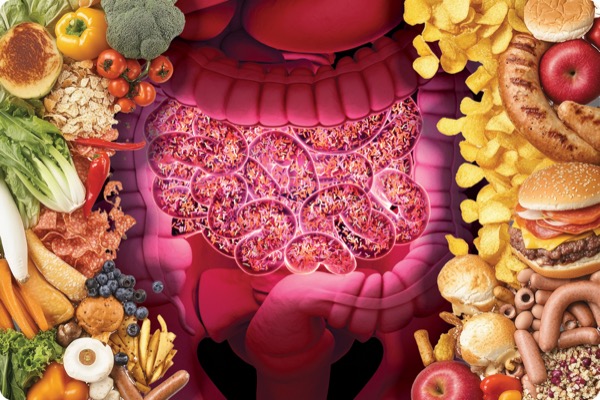
In murine studies, even 12 weeks of emulsifiers such as CMC or polysorbate 80 (P80) caused altered microbial composition and microbial encroachment with increased flagellin, which facilitated colonization of the mucous layer and increased the pro-inflammatory composition of the microbiome. When Dr. Chassaing transplanted fecal microbiota from the CMC or P80 mouse to a germ-free mouse, gut inflammation developed in the germ-free mouse. The microbial encroachment from emulsifier exposure may be associated with increased intestinal permeability and increased antibodies against bacterial antigens, leading to increased stimulation and exposure of the mucosal lining to the immune system.
The Microbiome and Neurodegenerative Diseases
Andrea Merchak, PhD, of the University of Florida, in Gainesville, discussed the connection between the microbiome and neurodegenerative diseases such as Parkinson’s and Alzheimer’s. Exposures throughout life affect brain health, she said, from direct effects such as gut permeability and inflammation to indirect consequences including microbial products and bacterial diversity. She reviewed how aspects of diet affect the central nervous system: Prebiotic dietary fiber, polyphenols, and fermented food can lead to commensal growth, and short-chain fatty acid production and dietary tryptophan influence the vagus nerve and neuroactive molecules.
In addition, multiple sclerosis has been linked to decreased serum levels of bile acids, and studies show bile acid supplementation may lead to benefits such as a decrease in circulating immune cells.
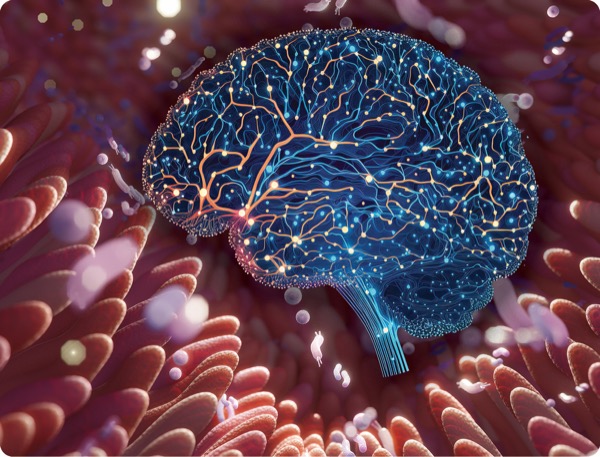
Gut inflammation also has been linked to increased brain inflammation and neurodegeneration. Lipopolysaccharides, produced by gram-negative bacteria, have been found to induce systemic inflammation. One fascinating study showed how colonocytes in patients with IBD and Parkinson’s disease communicate with antibody-producing peripheral immune cells in a similarly disordered fashion, unlike that in healthy patients.
The summit made it clear there are a lot of promising studies exploring microbiome manipulation in neurodegenerative diseases, including fecal microbiota transplant leading to full functional recovery in multiple sclerosis and maintenance of cognitive function in Alzheimer’s disease (Neurol Neuroimmunol Neuroinflamm 2018;5[4]:e459; J Int Med Res 2020;48[6]:300060520925930).
The Microbiome and Cancer
A fascinating area of medicine where microbiome manipulation is establishing a beneficial role in modulating treatment is in oncology. Jonathan Peled, MD, PhD, an oncologist at Memorial Sloan Kettering Cancer, in New York City, presented research that highlighted the benefit of microbiome manipulation in bone marrow transplant patients. Dr. Peled found that Enterococcus domination of the gut flora increased the risk for acute graft-versus-host disease and reduced survival. He and his co-investigators also found that sugar (sucrose) interacting with antibiotics is associated with Enterococcus expansion.
Dr. Peled said they are investigating a probiotic (SER-155) to preserve microbiome integrity in patients undergoing hematopoietic cell transplantation because gut dysbiosis in the setting of an impaired gut barrier has been found to be the source of bloodstream infections. When given a specifically formulated probiotic, patients had a significantly lower incidence of bloodstream infections than those given placebo (Transplant Cell Ther 2025;31[2]:s86). In fact, the probiotic conferred colonization resistance against Enterococcus, and the participants in the probiotic arm took less antibiotics and had a shorter hospital length of stay. Of note, there were no bloodstream infections from SER-155, despite increased gut permeability. The probiotic also is being researched in the setting of immunotherapy-related enterocolitis.
Other cancers in which the microbiome plays a pivotal role include melanoma and colorectal cancer. The gut microbiome modulates the response to anti–programmed death ligand-1 immunotherapy in melanoma patients. Insufficient fiber intake at the initiation of treatment was associated with worse outcomes compared with sufficient fiber intake. Of interest, no probiotics were found to be helpful.
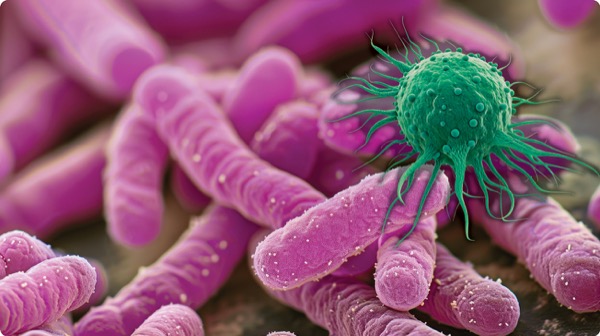
In addition, oral antibiotic use has been linked to CRC, specifically in the proximal colon. Specific bacteria associated with CRC include polyketide synthases (pks+) Escherichia coli, enterotoxigenic Bacteroides fragilis, some strains of Clostridioides difficile and many others. Biofilms also can be disruptive and carcinogenic in the colon and have been associated with sporadic CRC, specifically on the right side of the colon.
Bacteria-Eating Viruses and Fungi
Some presentations at the conference addressed bacteriophages and their potential therapeutic use, highlighting mechanisms that suppress or prevent bacterial pathogens such as C. difficile colitis, assist with antimicrobial resistance or even suppress bacteria that play a role in conditions such as adherent invasive E. coli in Crohn’s disease, high alcohol-producing Klebsiella pneumoniae in metabolic dysfunction–associated steatotic liver disease and auto-brewery syndrome. For example, in murine studies, Robert Schooley, MD, and co-researchers at the University of California San Diego found that phages of cytolytic Enterococcus faecalis reverse ethanol-induced liver disease (Microbiol Spectr 2025 Apr 15. doi:10.1128/spectrum.03303-24).
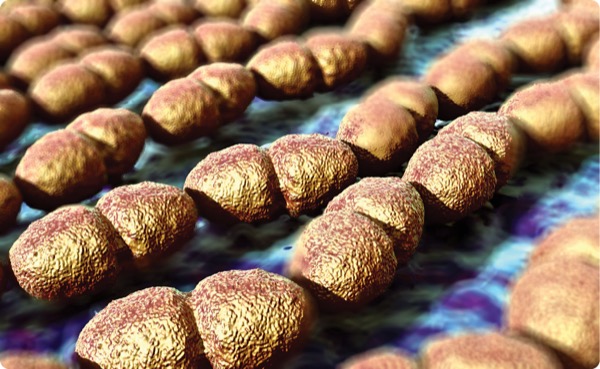
In a presentation of the mycobiome and fungal dysbiosis, Kyla Ost, PhD, an assistant professor at the University of Colorado Anschutz School of Medicine, in Aurora. emphasized how commensal fungi influence host immunity. Yeast species such as Candida, Malassezia and Saccharomyces dominate the mycobiome. In healthy patients, fungi have been shown to stimulate T- and B-cell responses to protect from fungal and bacterial infection. A single species such as Candida albicans can be both beneficial—inducing Th17 cell responses, production of antibodies and increasing circulating granulocytes—and pathogenic (exacerbating cancer). Studies showed that early-life colonization with C. dubliniensis promoted metabolic health. In addition, immunoglobulin A has been shown to regulate the microbiome and mycobiome, and IgA deficiency has been associated with intestinal C. albicans overgrowth.
The summit did not disappoint, with fascinating new studies on how the microbiome plays a pivotal role in the pathogenesis and treatment of many medical conditions. Using food as medicine and incorporating prebiotics, probiotics, synbiotics and postbiotics into treatment plans is clearly the way medicine is moving!

This article is from the August 2025 print issue.