






Related Content
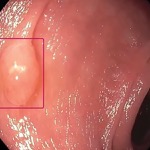

This month, Sharma’s Endoscopy Insights focuses on non–anesthesiologist-administered propofol, high-risk colon polyps and e-learning that can benefit serrated polyp detection rates.
There are no formal dosing protocols for non–anesthesiologist-administered propofol (NAAP) in GI endoscopy. Data also are limited on using target-controlled infusion (TCI). The first study I review, a randomized controlled trial, shows that NAAP was safe and effective for routine endoscopy.
The risk for colorectal cancer after finding high-risk adenomas and serrated polyps during colonoscopy has been shown to be high within the first three years after the index colonoscopy. In the second study, researchers found the use of surveillance colonoscopy within three to five years in this patient population mitigated the risk for CRC in patients with high-risk polyps.
Recent studies have shown that the proximal serrated polyp detection rate is linked to post-colonoscopy CRC incidence. In the third study I highlight, endoscopists who received a 60-minute e-learning resource on serrated polyp detection showed an increase in their detection rates of serrated lesions compared with those who did not undergo this training.
Propofol Protocols
Gastrointest Endosc 2024;99(6):914-923
Researchers in Italy evaluated the safety of and patient satisfaction with NAAP TCI during outpatient GI endoscopic procedures. In this retrospective cohort study, the researchers reviewed 18,302 procedures (7,162 esophagogastroduodenoscopies and 11,140 colonoscopies) in low-risk patients conducted at IRCCS San Raffaele Hospital, in Milan, between May 2019 and November 2021.
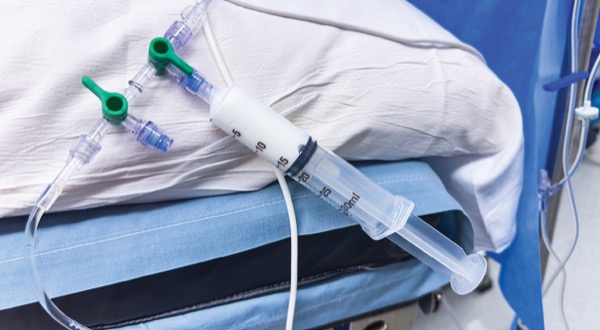
Adverse events occurred in 240 procedures (1.3%), and all were successfully dealt with by the gastroenterologist. Hypoxia was the most frequent adverse event (143 events). Meanwhile, most patients (98.9%) indicated they would likely opt to repeat the procedure with the same sedation method.
The researchers concluded that the sedation method is safe and effective in routine endoscopy. They also noted that adverse events were less likely when a fellow was performing the procedure with a senior physician present to supervise. Having another physician present resulted in a safer, more controlled colonoscopy environment, they noted, whereas a senior physician acting alone would be contending with increased workload and possible distractions.
High-Risk Polyps
Gut 2024 Jun 5. doi:10.1136/gutjnl-2023-331729
In this study, an international team of researchers followed 156,699 patients who had undergone a colonoscopy within a 10-year period to estimate their subsequent risk for CRC and high-risk polyps.
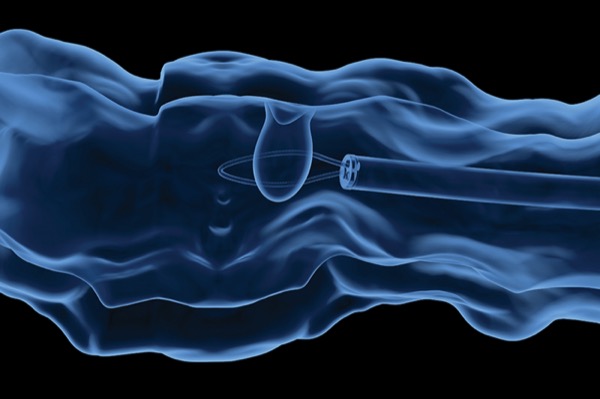
After a median follow-up period of 5.3 years, the researchers documented 3,053 cases of high-risk polyps and 309 cases of CRC in this cohort. Patients with high-risk adenomas and high-risk serrated polyps at their index colonoscopy had a higher risk for CRC during follow-up compared with those with no polyps at their index colonoscopy (adenomas: multivariable hazard ratio [HR], 5.44; 95% CI, 3.56-8.29 and serrated polyps: multivariable HR, 8.35; 95% CI, 4.20-16.59). The researchers noted they observed the highest risk three years after polypectomy.
Meanwhile, having a surveillance colonoscopy was associated with a lower CRC risk for patients with high-risk polyps (HR, 0.61; 95% CI, 0.39-0.98) or low-risk polyps (HR, 0.57; 95% CI, 0.35-0.92).
The researchers concluded that patients with high-risk polyps at their index colonoscopy could benefit from an early surveillance colonoscopy performed within three years. They noted the optimal interval for that surveillance colonoscopy still needs to be determined.
E-Learning Tool
Endoscopy 2024;56(6):412-420
In a multicenter, randomized controlled trial, researchers in the Netherlands evaluated the efficacy of a 60-minute e-learning module on endoscopists’ proximal serrated polyp detection rate (PSPDR).
In the study, 57 endoscopists completed a one-time e-learning module between Jan. 11, 2011, and April 11, 2021, while 59 endoscopists did not (control group). The researchers then evaluated the colonoscopies performed before and after the e-learning period.
The median PSPDR before the intervention was 13.6% (95% CI, 13.0-14.1) in the e-learning group and 13.8% (95% CI, 13.3-14.3) in the control group. However, after the e-learning intervention, the PSPDR was significantly higher over time in the group that received the e-learning tool compared with the control group (17.1% vs. 15.4%; P=0.01).

Ultimately, the researchers concluded that endoscopists benefited from the e-learning module and noted that endoscopists with a lower initial PSPDR benefited more from the learning exercise than those with a higher initial PSPDR. They also noted that awareness of serrated polyps has been rising in the GI community in the Netherlands, leading to an overall increase in PSPDR during the years this study was conducted.
Dr. Sharma is a member of the Gastroenterology & Endoscopy News editorial board.
This article is from the August 2024 print issue.