





University of Kansas
School of Medicine
Kansas City
What is the ideal bowel preparation for patients undergoing small-bowel capsule endoscopy? For incomplete colonoscopy, if cecal intubation is not achieved, what are the rates of success for a repeat colonoscopy using a standard colonoscope?
These are two important questions faced by endoscopists in routine practice. In this edition of Sharma’s Endoscopy Insights, I review two studies that address these clinically relevant questions.
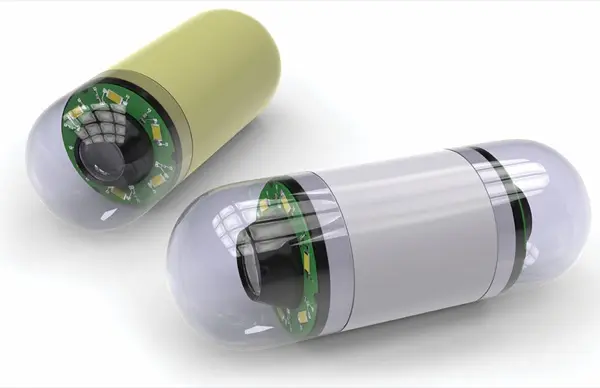
Small-bowel capsule endoscopy (SBCE) is performed to evaluate patients with suspected small-bowel disease and lesions. The best approach to bowel preparation in this situation is not clear, with some patients preferring only to fast before the test. The results of this large systematic review and meta-analysis demonstrate the superiority of bowel preparation, particularly using polyethylene glycol (PEG), for providing adequate small-bowel cleansing and improving diagnostic accuracy.
After incomplete colonoscopy, providers consider whether patients should undergo a barium enema, CT colonography, or repeat colonoscopy. The second study found that a repeat colonoscopy with standard endoscopes can achieve a cecal intubation rate (CIR) of more than 95%.
Small-Bowel Capsule Prep
Gastrointest Endosc 2025 Nov 11. doi:10.1016/j.gie.2025.11.005
In this meta-review and umbrella meta-analysis, researchers tried to identify the best way to prepare the bowel for SBCE.
The investigators conducted a systematic search of the Embase, Medline, and PubMed databases and identified 10 systematic reviews, many of which analyzed the same primary studies. They then performed an umbrella analysis with all the data from 39 of the 53 unique studies. Bowel preparation was classified as adequate or inadequate in all studies.
They found purgative bowel preparation significantly improved cleansing compared with fasting (relative risk [RR], 1.26; 95% CI, 1.14-1.39). PEG was the only laxative that had a significant impact.
Meanwhile, same-day dosing zero to six hours before capsule ingestion had the highest impact on cleansing quality (RR, 1.75; 95% CI, 1.33-2.29). Also, a subgroup analysis showed that same-day preparation significantly improved diagnostic yield (RR, 1.30; 95% CI, 1.07-1.57).
Study limitations included wide variability in bowel cleansing scales used in different assessments and evidence of publication bias, possibly indicating a preference for publishing positive findings.
The researchers concluded that purgative bowel preparations, particularly PEG, were better than fasting alone and that same-day regimens were superior in terms of bowel prep and diagnostic yield.
Repeat Colonoscopy After Failure
Gastrointest Endosc 2025 Nov 14. doi:10.1016/j.gie.2025.11.022
In this systematic review and meta-analysis, researchers in the United States assessed the efficacy of a repeat colonoscopy following a previously incomplete colonoscopy procedure.
After a comprehensive literature search of major medical databases, the researchers identified 26 studies (11 retrospective studies, 13 prospective studies, and two randomized controlled trials) that included 1,647 patients who had undergone a second endoscopy after a failed first attempt. Failed attempts due to poor bowel preparation were excluded.
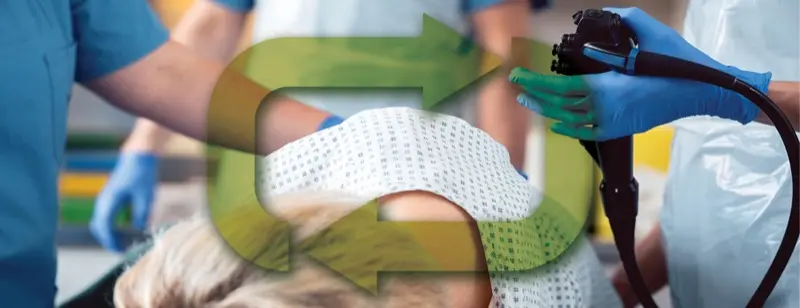
The overall CIR on repeat attempt was 95.7% (94.2%-97.2%; P<0.001; I2=58%). In the 10 studies that reported data on using a standard colonoscope, the pooled CIR was 96.2% (94.1%-98.4%; P<0.031; I2=50%). In the nine studies that looked at repeat attempts using single-balloon enteroscopy, the pooled CIR was 96.8% (95%-98.7%; P=0.80; I2=0%). And in the 10 studies that looked at repeat attempts using double-balloon enteroscopy, the pooled CIR was 93% (88.7%-97.3%; P<0.001; I2=77.59%).
Study limitations included heterogeneous patient populations and incomplete reporting on procedural techniques and endoscopist experience. The study investigators also were unable to assess newer devices due to limited data.
Underscoring the importance of a second attempt, the authors concluded that repeat colonoscopy, no matter the method, has a high success rate for cecal intubation. They also noted that the reason the first procedure failed can guide device selection for the second attempt and called for large-scale randomized controlled trials to evaluate which devices are best suited to different clinical situations.
Dr. Sharma is a member of the Gastroenterology & Endoscopy News editorial board.
This article is from the February 2026 print issue.