






University of Kansas
School of Medicine
Kansas City
Glucagon-like peptide-1 receptor agonists (GLP-1s) have revolutionized the treatment of diabetes, and prescriptions for these medications are increasing. In this edition of Sharma’s Endoscopy Insights, I review the effects of these agents on upper endoscopy and colonoscopy.
GLP-1s have been shown to affect gastrointestinal motility, slowing gastric and colonic transit times. The results of the first study I want to highlight show that the use of these drugs can increase the rate of inadequate bowel preparation for colonoscopy in diabetic and nondiabetic patients. Special recommendations for bowel prep may have to be considered in patients using GLP-1s.
In the second study, endoscopic outcomes in adults without diabetes were evaluated to compare rates of repeat upper endoscopy in patients who are and who are not using these medications. This study showed that the use of these agents does not increase the risk for repeat endoscopy in patients who do not have diabetes.
Bowel Prep Quality, or Lack Thereof
Endoscopy 2024 Oct 10. doi:10.1055/a-2419-3875
In this multicenter, retrospective case–control study, researchers in Israel examined whether GLP-1s negatively affect bowel preparation for colonoscopy in diabetic and nondiabetic patients.
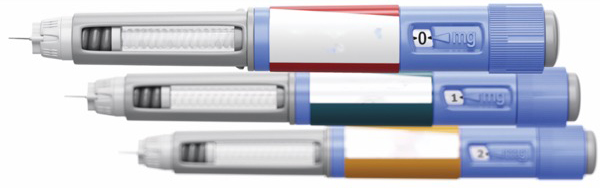
Overall, 4,876 patients treated with GLP-1s were identified in data collected from endoscopy units in seven cities in Israel and compared with 4,876 controls who had not used the agents. Inadequate bowel preparation was determined by a “poor preparation” score on the Aronchick scale or a Boston Bowel Preparation Scale score lower than 5.
Among patients taking GLP-1s, 10% (n=487) had inadequate bowel prep, compared with 4% (n=197) of the control group (P<0.001). In addition, the investigators found that among patients with diabetes, those treated with GLP-1s had a higher rate of inadequate prep (12%; 284/2,364) than those not treated with a GLP-1 (5%; 118/2364; P<0.001).
A similar trend held for patients without diabetes. In nondiabetic patients, 8% treated with GLP-1s had inadequate prep, (203/2,512), compared with 3% of those not taking a GLP-1 (79/2,512; P<0.001).
The most commonly used GLP-1s were semaglutide (Wegovy, Novo Nordisk; 63.6% of patients; n=3,103), liraglutide (Saxenda, Novo Nordisk; 22.1% of patients; n=1,076) and dulaglutide (Trulicity, Lilly; 14% of patients; n=685).
Ultimately, the study indicates GLP-1 treatment can make inadequate bowel prep more likely in patients with and without diabetes. The co-investigators concluded that these patients should receive special recommendations before colonoscopy to improve preparation.
No Risk for Repeat EGD
Gastrointest Endosc 2024 Oct 8. doi:10.1016/j.gie.2024.10.004
Researchers in the United States looked at whether taking GLP-1s increased the likelihood of repeat esophagogastroduodenoscopy (EGD) for patients without diabetes in this retrospective, matched case–control study.
Using a de-identified electronic health record accessible through TriNetX, researchers identified patients with a body mass index of 27 kg/m2 or greater without diabetes who underwent diagnostic EGD between December 2014 and December 2023. Patients in the study group had three or more GLP-1 prescriptions and an EGD 30 days or more after their first prescription. Patients in the control group were never prescribed GLP-1s but had an EGD after being prescribed other weight-loss medications.
The primary outcome was the rate of repeat EGD within 120 days of the first diagnostic procedure. Comparing the two groups, the researchers found no significant difference in repeat EGD (5.4% vs. 4.2%; relative risk [RR], 1.28; 95% CI, 0.95-1.71) or new diagnosis of gastroparesis (1.1% vs. 0.6%; RR, 2.00; 95% CI, 0.94-4.27).
The authors concluded that GLP-1s may not substantially increase the risk for repeat endoscopy in individuals without diabetes, adding that prospective studies are needed to further explore the relationship between GLP-1s and EGD findings.
Dr. Sharma is a member of the Gastroenterology & Endoscopy News editorial board.
This article is from the December 2024 print issue.