





Manually cleaning duodenoscopes with a brush capable of more thoroughly sweeping the channel may better prevent contamination by microorganisms within duodenoscopes, according to a new study.
“Duodenoscope contamination remains a critical concern, as shown by several outbreaks in recent years,” said primary investigator Koen van der Ploeg, MD, a PhD candidate in gastroenterology and hepatology at Erasmus University Medical Center, in Rotterdam, Netherlands. “Standard duodenoscope cleaning methods may not be able to achieve a zero contamination rate.”
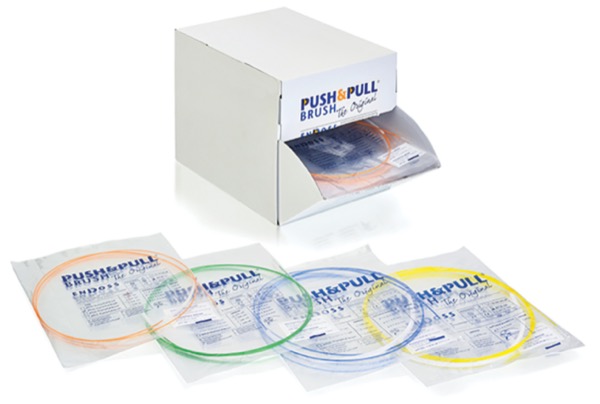
Erasmus Medical Center conducts microbe surveillance of its Pentax ED34-i10T2 duodenoscopes monthly, Dr. van der Ploeg told GEN Priority Report. The new study compares contamination rates at Erasmus Medical Center before and after the introduction of the new brush, Endoss Push&Pull Brush, which uses a distal sweeper (Endoscopy 2023 Oct 17. doi:10.1055/a-2193-4481). Previously, cleaning was performed with an older duodenoscope cleaning brush with bristles at just one end.
When reviewing the surveillance cultures, Dr. van der Ploeg and his co-investigators defined contamination as the presence of one or more colony-forming units of gastrointestinal or oral microorganisms.
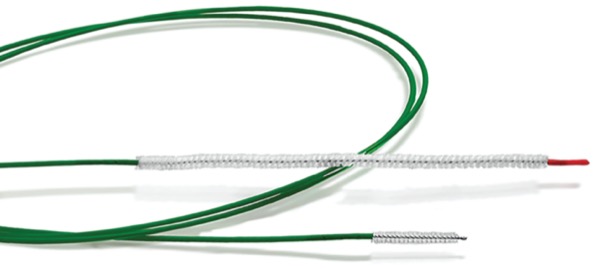
Over the study period, the researchers saw a 28.2% reduction in contamination in their duodenoscopes. Of 176 cultured samples collected from March 2018 to Dec. 15, 2020, before the medical center changed to the new brush, 45.5% (95% CI, 38.3%-52.8%) were contaminated. Analysis of 81 samples from scopes cleaned using the new brush found a contamination rate of 17.3% (95% CI, 10.6%-26.9%).

“We hypothesize that the new brushes are better able to remove biofilms that adhere to the surface of the channel,” Dr. van der Ploeg said.
However, he noted that this study is retrospective, not a head-to-head comparison of different duodenoscope cleaning techniques. “There appears to be a very strong association here, but it is still an association and not causation,” Dr. van der Ploeg said. “We encourage other researchers to conduct randomized prospective trials.”
‘A Significant Finding’
Even with that limitation, Michelle Alfa, MSc, PhD, FCCM, who was asked to comment, said the study’s findings were relevant. “I think that the clear reduction in high-concern organisms is a significant finding,” said Dr. Alfa, a certified clinical microbiologist and the CEO of AlfaMed Consulting, in Winnipeg, Manitoba.
However, Dr. Alfa noted that low-concern microorganisms actually increased when the scope channels were cleaned using the new brush compared with the levels after cleaning with the old brush, although this increase was not statistically significant. Even so, ideally the proportion of low-concern organisms would not have increased. “Even if you only introduce low-concern organisms, that’s not a good thing because they could form biofilm and protect other organisms,” Dr. Alfa said.
Dr. Alfa added that the culturing method used at Erasmus Medical Center was very thorough, spurring confidence in the accuracy of the analysis.
“They filtered the entire sample for culture. I’m impressed, because that way you’re picking up all the organisms in the sample compared to culturing just a small portion of it,” Dr. Alfa said.
One practical impediment to moving to a newer type of endoscope channel cleaning brush, Dr. Alfa noted, is that these products could be more expensive. The older type of brush first used at Erasmus Medical Center is more common in flexible endoscope reprocessing units, Dr. Alfa said.
With this financial drawback, Dr. Alfa also noted that there is little to no information about the manufacturer’s instructions for how the new brush is to be used during manual cleaning of endoscope channels. This information would help determine whether the new brush cleaning process would be more or less labor-intensive compared with that used with the existing brushes, she said.
“I certainly think their finding is a step in the right direction toward reducing infection risk,” Dr. Alfa said, “but I wish there was more information in the methods section about how the brush is intended to be used.”
—Marcus A. Banks
Drs. Alfa and van der Ploeg reported no relevant financial disclosures.



This article is from the December 2023 Priority Report print issue.