





Related Content

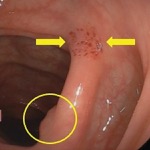
Computer-assisted diagnosis has the potential to improve identification of polyps in the distal but not proximal colon, based on data from a systematic review and meta-analysis of nearly 8,000 small polyps.
This difference in the diagnostic performance of computer-assisted diagnosis (CADx) was mainly the result of lower specificity, noted investigator Cesare Hassan, MD, PhD, of Humanitas University, in Milan, who discussed the findings in a presentation at the American Society for Gastrointestinal Endoscopy’s 2024 Global Gastroenterology and Artificial Intelligence Summit.
CADx aids endoscopists in differentiating between neoplastic and non-neoplastic polyps during colonoscopy, but the effectiveness based on polyp location has not been well studied, Dr. Hassan noted.
In the study, published in Clinical Gastroenterology and Hepatology (2024 Aug 30. doi:10.1016/j.cgh.2024.08.021), lead author Tommy Rizkala, MD, along with Dr. Hassan and other co-investigators, reviewed data from 11 studies evaluating 7,782 polyps of 5 mm or less. The primary end points were the sensitivity and specificity of CADx for polyps in the proximal and distal colon. Secondary end points included positive and negative predictive value (PPV and NPV) and the accuracy of CADx alone.
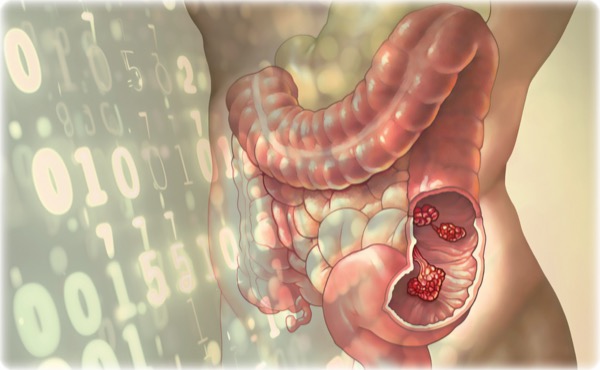
The proximal colon was defined as the cecum plus the ascending colon, transverse colon and descending colon, and the distal colon was defined as the rectum and sigmoid colon.
The sensitivity of CADx was similar in the proximal and distal colon (89% vs. 87%; risk ratio [RR], 1.00; 95% CI, 0.97-1.03). But the specificity of CADx was significantly lower in the proximal colon compared with the distal colon (62% vs. 85%; RR, 0.74; 95% CI, 0.72-0.84).
“Due to the higher prevalence of neoplastic polyps in the proximal colon, a lower negative predictive value was observed in the proximal colon,” the investigators reported. The NPV was 64% for the proximal colon versus 93% for the distal colon (RR, 0.71; 95% CI, 0.64-0.79). In contrast, the PPV was higher in the proximal versus distal colon (87% vs. 76%; RR, 1.11; 95% CI, 1.06-1.17).
Overall accuracy was lower in the proximal versus distal colon (81% vs. 86%; RR, 0.95; 95% CI, 0.91-0.99).
The results suggest that, while CADx systems can be used for characterizing polyps in the distal colon, they should not be used for polyps in the proximal colon until more effective systems are developed for proximal lesions in particular.
Powerful, Well-Conducted Study
Commenting on the findings, Michael B. Wallace, MD, a professor of medicine in the Division of Gastroenterology and Hepatology at Mayo Clinic in Florida, Jacksonville, said the ability to examine subsets of polyp prediction accuracy by location was more powerful in the review than the individual studies, and, thus, the review was able to show a higher accuracy for rectosigmoid lesions than proximal lesions.
Dr. Wallace, who was not involved in the study, told Gastroenterology & Endoscopy News that he was not surprised by the findings. “In the distal colon, nearly all serrated lesions are classical, flat, small hyperplastic polyps. In the proximal colon there is a broader mix of non-adenomatous polyps, including classical hyperplastic, sessile serrated and traditional serrated adenoma, which is classified as a serrated lesion, not an adenoma,” he said.
“The main practical goal of AI in endoscopy is to reduce the need to remove very small hyperplastic polyps, which are clinically insignificant,” Dr. Wallace said. Current guidelines only suggest the removal of small polyps (=5 mm) in the rectosigmoid, where there is high confidence that a polyp is hyperplastic, he said.
Therefore, the inability of AI to accurately diagnose polyps in the proximal colon is of little practical significance, since clinicians already are removing these polyps and the pathology confirms the diagnosis, Dr. Wallace said.
“I do think the study adds value with regard to improving the diagnostic accuracy of small distal polyps and may facilitate the decision not to remove them if the endoscopy and AI software are highly confident the lesions are hyperplastic,” he said.
The current study was well conducted, although it does not directly compare human diagnosis or human plus AI with AI alone, Dr. Wallace said. However, “it is highly unlikely that that we will use AI-alone systems,” he said, “as nearly all applications use ‘human in the loop’ approaches to ensure that AI remains an adjunct to, not a replacement for, human intelligence.”
Dr. Hassan reported financial relationships with Fujifilm and Medtronic. Dr. Wallace reported financial relationships with Boston Scientific, Cosmo/Aries, Endiatix, Fujifilm, Medtronic, Microtek, Ninepoint, Olympus, Surgical Automations, Verily and Virgo.
This article is from the November 2024 print issue.